Altitude Shifts Drive New Fabric Strategies in Performance Apparel Sourcing
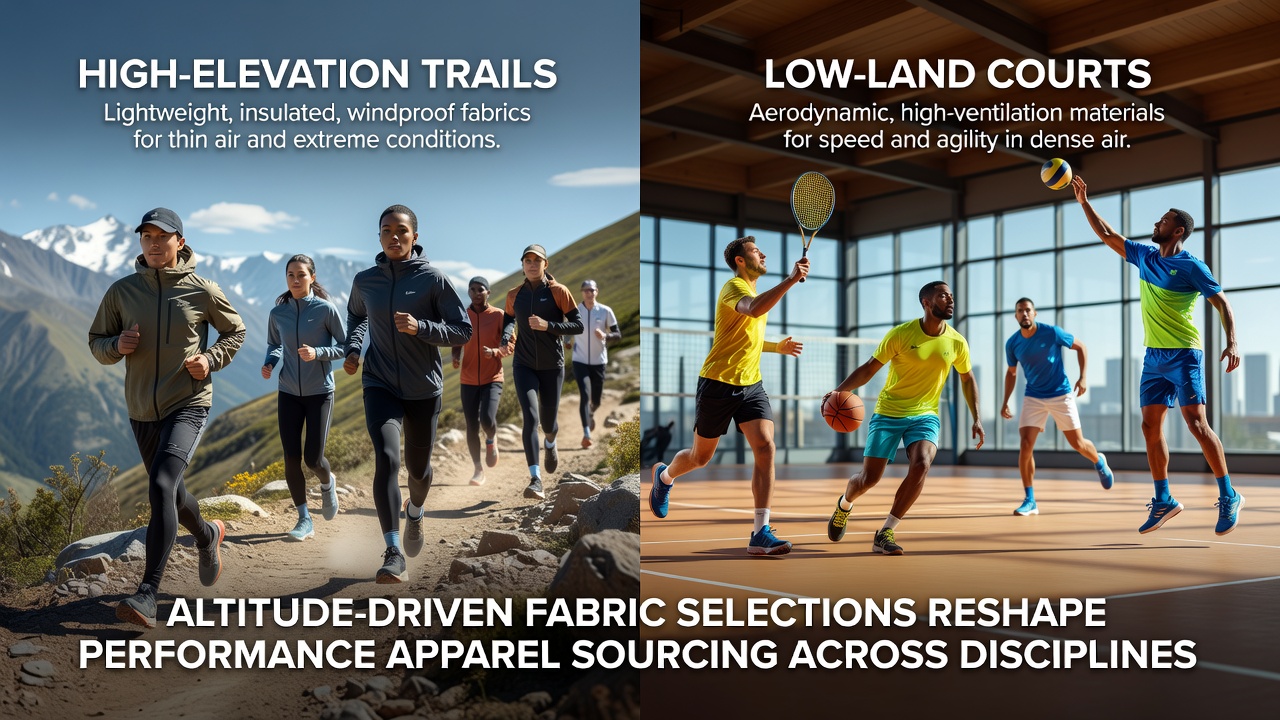
Athletes who move regularly between high-elevation trails and lowland courts encounter distinct environmental demands that influence fabric performance, and manufacturers have responded by adjusting material specifications and supply routes accordingly. Temperature drops, lower oxygen levels, and increased ultraviolet exposure at altitude require textiles with enhanced insulation and breathability, whereas warmer, denser air at lower elevations favors moisture-wicking synthetics that prioritize ventilation and quick drying.
Environmental Factors Guiding Fabric Performance
Research conducted across multiple training sites shows that fabrics must balance thermal regulation with durability when athletes descend from elevations above 2,500 meters to sea-level venues within short time frames. Merino wool blends and treated polyester constructions appear frequently in high-altitude kits because they retain warmth without excessive bulk while permitting vapor escape during intense efforts. Data collected through June 2026 indicates expanded use of these hybrid constructions among trail runners and mountain cyclists who also compete on hard courts.
Observers note that ultraviolet protection factors become critical above certain elevations, prompting suppliers to integrate ceramic particle treatments into base layers sourced primarily from specialized mills in the European Union and New Zealand. These treatments maintain effectiveness after repeated wash cycles, which matters for athletes maintaining tight travel schedules between venues.
Adaptations Across Sport Disciplines
Trail runners often pair lightweight merino mid-layers with wind-resistant shells when training at altitude, then switch to single-layer recycled polyester shirts upon reaching lowland courts for basketball or tennis sessions. Tennis players following similar elevation transitions have increased orders for open-weave knits that emphasize airflow once they return to lower, warmer environments. Basketball programs operating training camps in mountainous regions report parallel adjustments, favoring compression tights with zonal mesh panels that transition smoothly from cooler morning runs to indoor court work later in the day.
Supply chain records reveal that several major apparel producers consolidated sourcing contracts in early 2026 to secure consistent volumes of both high-loft insulating yarns and high-tenacity wicking filaments from separate regional producers. This dual-sourcing approach reduces lead times when teams request rapid reorders following schedule changes that mix highland and lowland events.
Impact on Material Sourcing Patterns
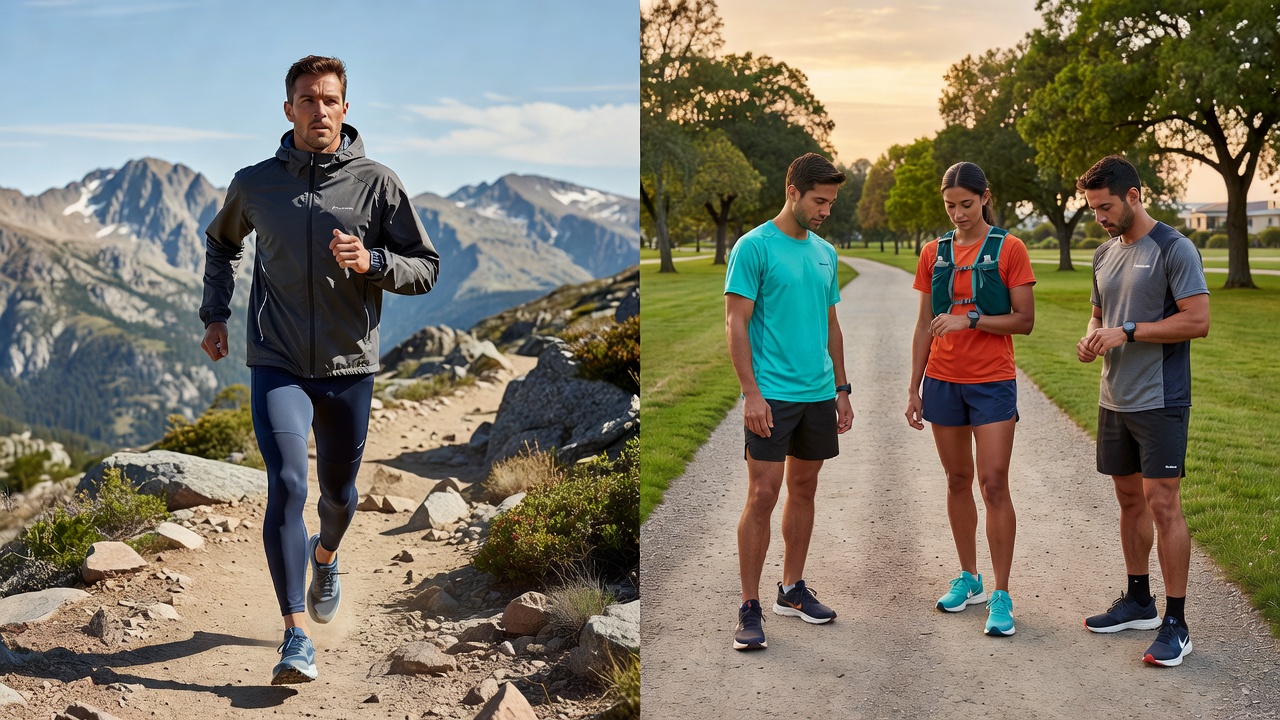
Manufacturers now coordinate with fiber producers in Australia and Canada to maintain parallel inventories of altitude-rated and lowland-rated textiles. Australian suppliers have expanded fine-wool processing capacity to meet growing demand for naturally odor-resistant layers, while Canadian facilities focus on solution-dyed synthetics suited to high-volume court apparel. These geographic distinctions in production help stabilize pricing despite fluctuating raw material costs.
Studies from research institutions in Switzerland highlight measurable differences in moisture vapor transmission rates between fabrics optimized for 3,000-meter environments and those designed for lowland humidity. Teams that rotate athletes across both settings increasingly specify modular garments containing interchangeable panels so one base piece can serve multiple conditions through simple accessory swaps.
Supply Chain Adjustments and Logistics
Logistics partners have introduced altitude-specific packaging protocols that protect sensitive thermal treatments during transport between training hubs. Apparel brands report tighter integration between design teams and regional mills, allowing specification changes to propagate faster when performance data from wearable sensors indicates fabric shortfalls at either elevation extreme. By mid-2026 several federations had begun sharing aggregated material performance metrics with suppliers to refine future production runs.
Those monitoring industry databases note rising interest in traceable fiber origins, particularly for wool and recycled polyester streams that serve multi-elevation programs. Certifications verifying both thermal efficiency and environmental standards now appear on more product labels as procurement teams seek consistency across dispersed training locations.
Conclusion
Altitude transitions continue to shape fabric specifications and sourcing decisions as athletes and teams balance competing environmental requirements across trails and courts. Expanded coordination between mills, logistics providers, and sport organizations supports more responsive production cycles that accommodate frequent venue changes while maintaining consistent performance characteristics in finished apparel.