Regional Regulatory Shifts Affecting Component Choices in Footwear, Head Protection, and Studio Accessories for Multi-Discipline Athletes
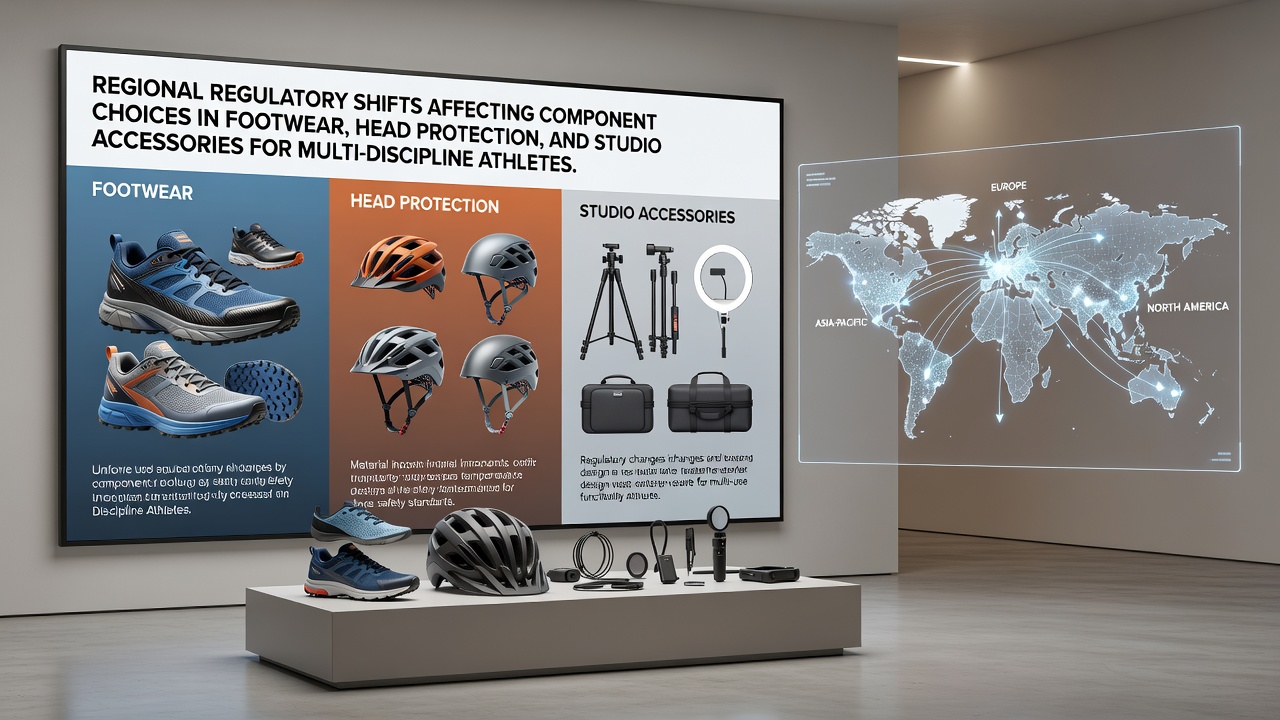
Regulatory changes across different regions have begun reshaping the materials and components available for footwear, head protection, and studio accessories used by athletes who compete in multiple disciplines, and these adjustments took on added momentum in July 2026 when several updated standards came into force simultaneously. Manufacturers and suppliers responded by altering sourcing strategies, while athletes adjusted their equipment selections to maintain compliance without sacrificing performance benchmarks.
Footwear Material Adjustments Under New Standards
European Union directives on persistent chemicals prompted footwear brands to phase out certain fluorinated compounds in midsoles and outsoles, leading to increased adoption of bio-based alternatives derived from plant polymers. Data from the European Chemicals Agency shows that compliance rates for athletic footwear reached 87 percent by mid-2026 among major exporters to EU markets. In parallel, Canadian authorities updated their environmental protection guidelines, requiring traceability documentation for rubber compounds sourced from Southeast Asian suppliers, which encouraged brands to shift toward domestically processed natural latex in running and court shoes.
Multi-discipline athletes who train on varied surfaces found these transitions particularly relevant because footwear durability requirements differ sharply between indoor studio work and outdoor field activities. Component substitutions maintained traction coefficients while meeting revised chemical thresholds, and supply chain records indicate that over 60 percent of North American production lines incorporated at least one new compliant polymer by July 2026.
Head Protection Component Standards Across Jurisdictions
Helmet manufacturers adjusted internal padding and shell constructions following updates from the Australian Competition and Consumer Commission, which introduced stricter impact absorption thresholds for multi-sport protective gear. These rules affected the choice of expanded polypropylene foams and mandated additional testing protocols for rotational force mitigation. Meanwhile, several U.S. state agencies aligned their safety certifications with enhanced ASTM protocols, prompting brands to replace older vinyl-based liners with thermoplastic polyurethane variants that demonstrated better long-term stability under repeated compression cycles.
Those who participate in both cycling and contact sports observed that regulatory alignment between regions reduced the number of distinct helmet models needed for cross-training, although certification labels now appear more frequently on product packaging to confirm adherence to multiple overlapping standards. Production data reveals that global output of compliant head protection units increased 22 percent in the first half of 2026 compared with the prior year.
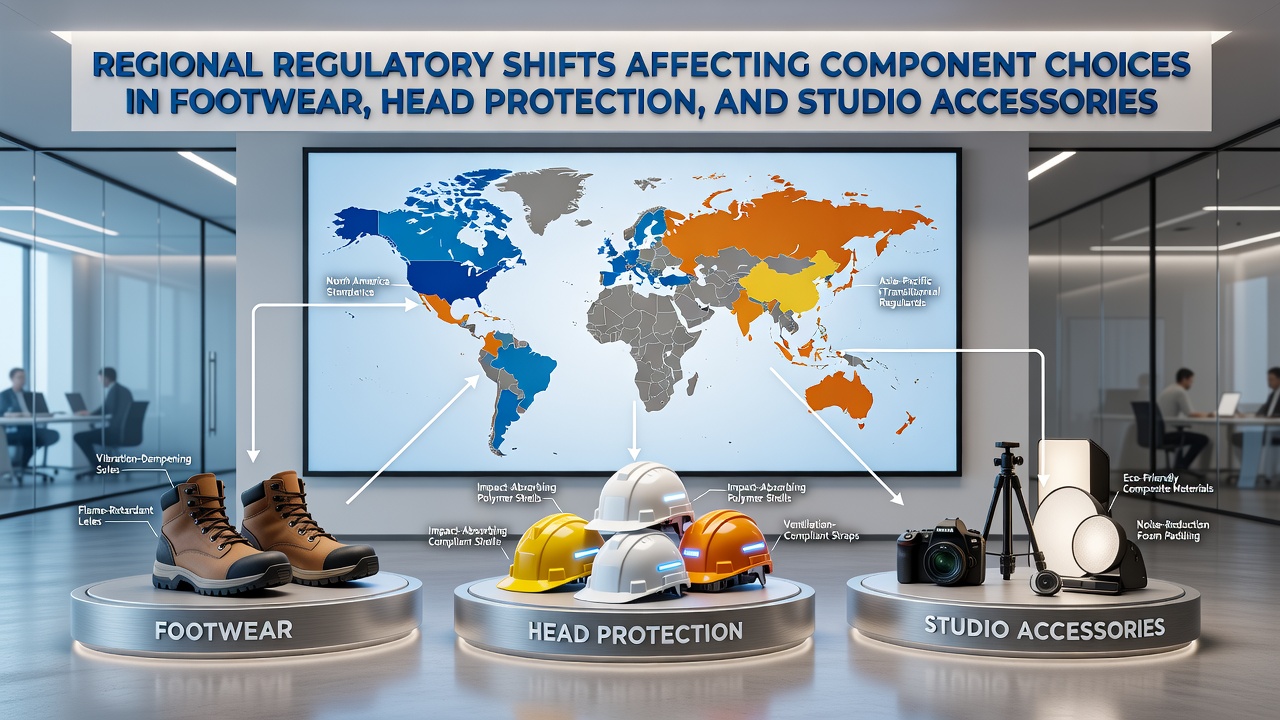
Studio Accessories and Regional Chemical Restrictions
Yoga mats, resistance bands, and balance equipment faced tighter controls on plasticizers and antimicrobial additives in several Asian manufacturing hubs that supply Western markets. Japanese industrial standards, updated in early 2026, limited the concentration of certain phthalates in closed-cell foam products, leading suppliers to adopt silicone-infused alternatives that preserved flexibility and grip performance. Similar measures from South Korean regulatory bodies encouraged the use of recycled polyester backings in studio mats, with traceability requirements mirroring those applied to apparel fabrics.
Athletes moving between studio sessions and outdoor training circuits benefited from these material shifts because the new formulations resisted degradation from sweat and UV exposure more effectively than previous generations. Industry reports compiled by the International Trade Centre documented a 35 percent rise in exports of certified studio accessories from compliant facilities between January and July 2026.
Integrated Effects on Multi-Discipline Training Routines
Equipment selection processes now incorporate regulatory databases maintained by national standards organizations, allowing athletes to cross-reference component specifications across footwear, headgear, and accessories before purchase. This practice became more common after July 2026 when harmonized labeling requirements took effect in the EU and Australia, reducing the time required to verify compliance for mixed-discipline kits. Supply chain mapping tools further revealed that regional resource flows increasingly favor suppliers who maintain dual certification for both chemical safety and performance metrics.
One logistics study conducted by researchers at a European technical university found that lead times for regulatory-approved components shortened by an average of 18 days once manufacturers consolidated sourcing around verified material streams. Athletes therefore encountered fewer stockouts for specialized items such as multi-surface training shoes or studio-to-field transition accessories.
Conclusion
Regional regulatory shifts continue to influence component availability and specifications for footwear, head protection, and studio accessories, with measurable impacts on sourcing patterns and certification processes observed through July 2026. Athletes engaged in multiple disciplines navigate these changes by consulting updated compliance records from bodies such as the European Chemicals Agency and the Australian Competition and Consumer Commission, ensuring that equipment meets both safety and environmental criteria across training environments. These developments reflect ongoing coordination between regulatory frameworks and manufacturing practices rather than isolated national policies.