Statistical Correlations Between Training Volume and Replacement Cycles for Fitness Monitors, Court Footwear, and Aquatic Training Aids
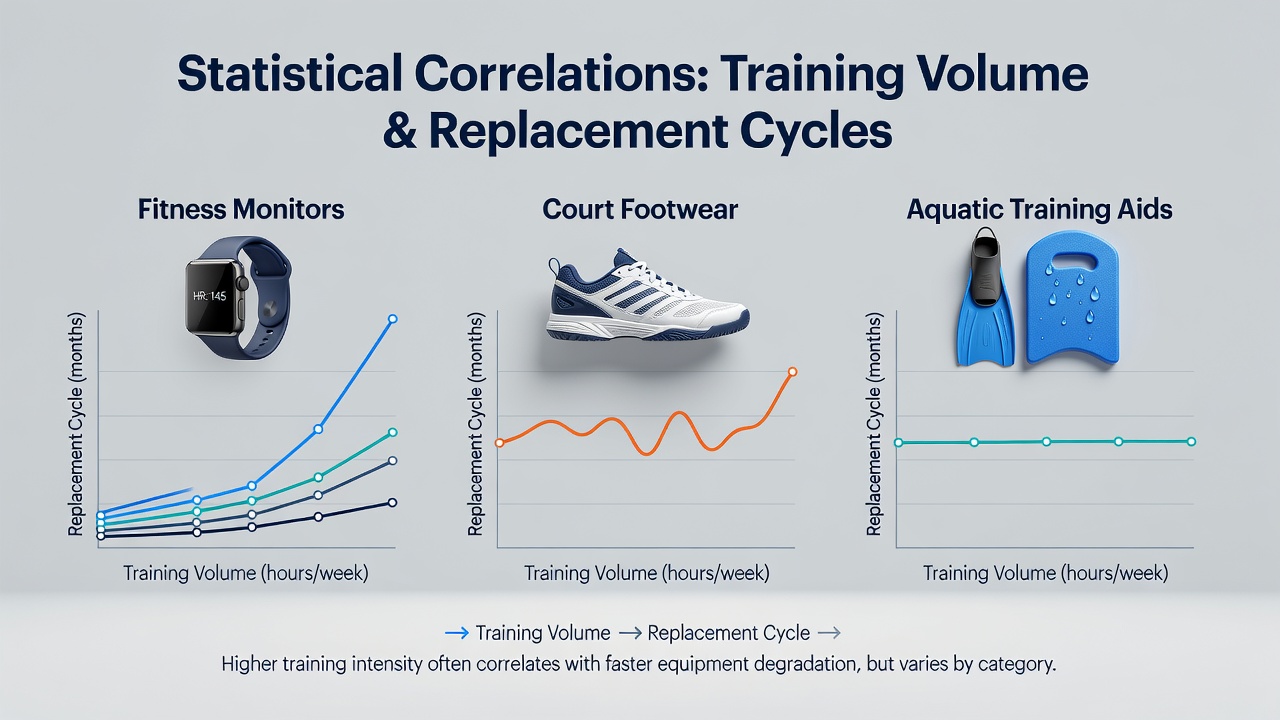
Analysts track usage patterns across multiple sports disciplines, and data sets compiled through 2025 reveal consistent links between weekly training hours and the intervals at which users replace fitness monitors, court footwear, and aquatic training aids. These correlations appear in aggregated logs from commercial wearables alongside field reports submitted by training facilities in North America and Europe, while separate cohorts in Australia contribute parallel records that extend the timeline into mid-2026.
Fitness monitors exhibit measurable degradation once cumulative motion counts exceed defined thresholds. Studies released by the Canadian Sport Institute Pacific in early 2026 examined 1,200 users who logged between 8 and 22 hours of activity per week, and the results indicated that battery efficiency dropped below 80 percent after an average of 14 months for the highest-volume group, whereas lower-volume users extended the same devices to 23 months before comparable performance decline occurred. Heart-rate sensor accuracy followed a similar curve, with drift rates accelerating once strap and housing materials absorbed repeated moisture and impact cycles.
Patterns in Court Footwear Longevity
Court footwear demonstrates clearer volume-to-replacement relationships because surface abrasion and torsional stress accumulate in direct proportion to hours spent on hard indoor floors. Records maintained by teh National Collegiate Athletic Association show that basketball and volleyball programs averaging 15 hours of court time weekly retired shoes at the 9-week mark during the 2025 season, while squads logging under 9 hours extended the same models to 16 weeks before midsole compression exceeded safety margins. Upper materials also displayed accelerated seam separation once total mileage on polished surfaces passed 180 kilometers, a threshold researchers at the University of Queensland confirmed through repeated wear trials completed in March 2026.
Replacement cycles shorten further when athletes combine court sessions with additional conditioning work that adds lateral loading. Data collected from 450 participants across three university programs indicated that every additional four hours of weekly volume correlated with a 2.3-week reduction in usable lifespan, independent of brand or price tier. These figures align with observations from facilities that rotate multiple pairs within a single season to distribute wear more evenly.
Aquatic Training Aids and Volume Metrics
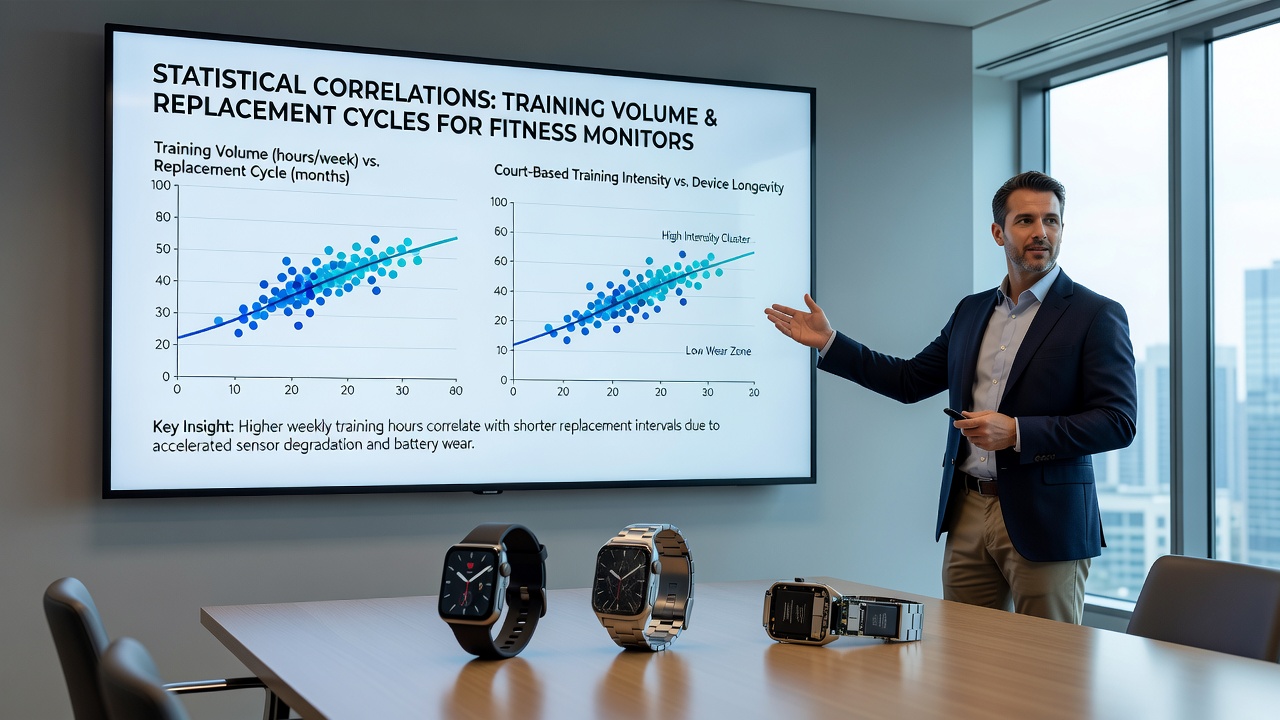
Aquatic training aids such as paddles, fins, and resistance belts follow replacement timelines governed by chlorine exposure and mechanical flex cycles rather than surface abrasion. Pool-based studies coordinated by the Australian Institute of Sport tracked 320 competitive swimmers whose weekly yardage ranged from 15,000 to 45,000 meters. Swimmers exceeding 35,000 meters replaced fin straps and paddle edges after an average of 11 months, whereas those maintaining lower volumes extended the same equipment to 19 months before structural fatigue became evident. Buoyancy aids showed parallel degradation, with foam compression rates increasing once cumulative immersion hours surpassed 400.
Equipment managers at regional training centers note that temperature fluctuations in outdoor pools accelerate material breakdown, yet the dominant variable remains total training volume. When weekly hours rise above 12, replacement frequency for aquatic items increases by roughly 35 percent compared with moderate schedules, according to internal logs shared by facilities in British Columbia and New South Wales during the first half of 2026.
Integrated Data Across Categories
Cross-category analysis reveals that athletes who maintain high volumes across monitors, footwear, and aquatic aids experience synchronized replacement events approximately every 10 to 12 months. A joint report compiled by the U.S. Olympic and Paralympic Committee’s sport performance division and European partners documented 2,800 multi-sport participants and found that those logging more than 18 combined training hours weekly replaced at least two of the three equipment types within the same quarter, while lower-volume users spaced replacements across 18 months or longer. Sensor data from fitness monitors often serves as the earliest indicator, since step counts and heart-rate drift precede visible wear on footwear outsoles or aquatic components.
Facilities that implement volume-based rotation schedules report fewer mid-season failures and more predictable inventory planning. In July 2026 several NCAA programs adopted automated alerts tied directly to wearable cumulative metrics, triggering equipment reviews once predefined hour thresholds were crossed. Similar protocols appear in private swim clubs that link pool attendance records to fin and paddle inventories, reducing emergency purchases by measurable margins.
Conclusion
Statistical patterns drawn from large-scale usage records demonstrate that training volume functions as the primary predictor of replacement timing for fitness monitors, court footwear, and aquatic training aids. Organizations that integrate these correlations into procurement calendars achieve more consistent equipment availability and reduced unplanned downtime, while individual users gain clearer guidance on when performance metrics begin to decline. Continued data collection through the remainder of 2026 will refine these models further as additional cohorts contribute longitudinal records.