Wearable Data Trails Mapping Athlete Habits to Apparel Durability Needs Across Dynamic Court and Studio Environments
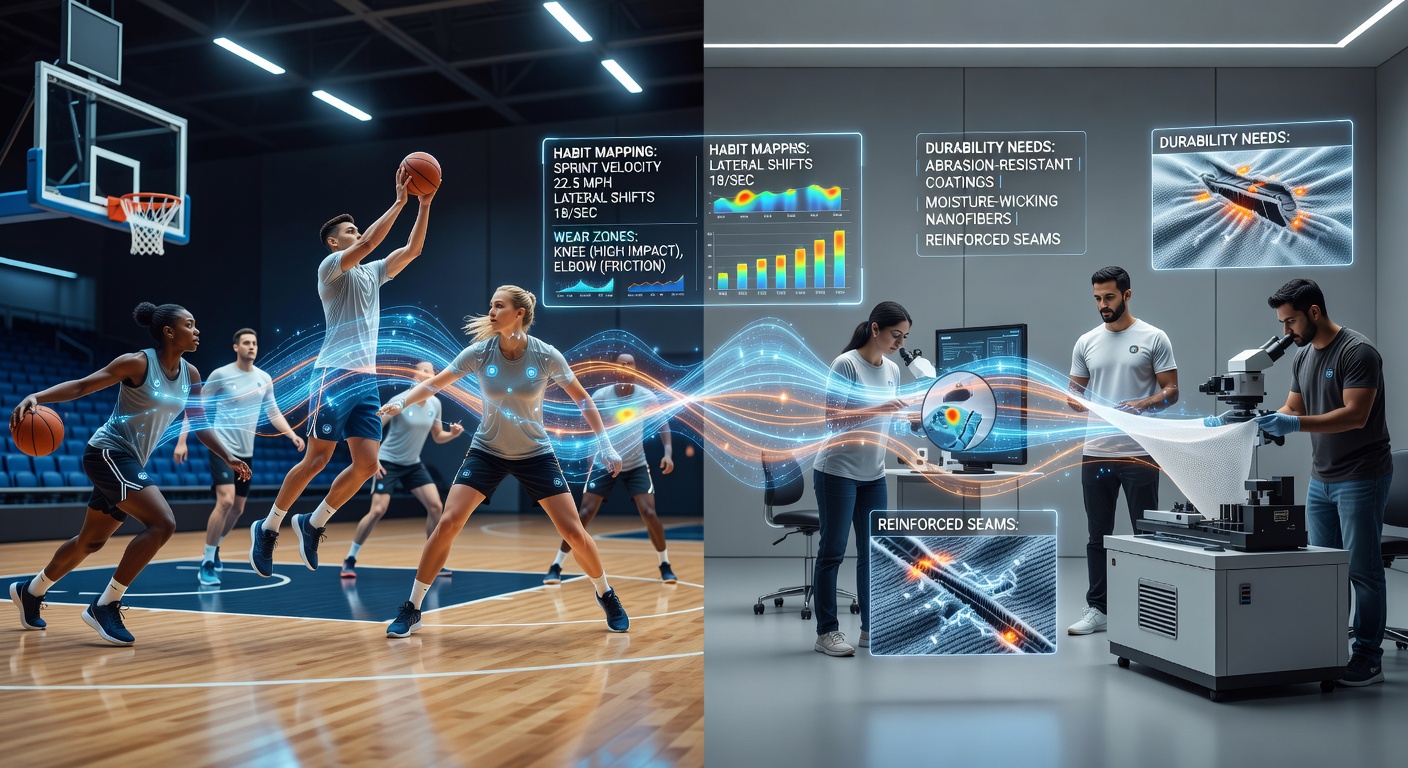
Data from wearable devices continues to shape how manufacturers approach apparel durability in court and studio settings where rapid directional changes, repeated friction, and varied surface contacts define daily use, and researchers tracking these patterns through June 2026 note consistent correlations between specific movement frequencies and fabric wear rates.
Tracking Movement Patterns in Court Environments
Court sports generate high volumes of lateral cuts, pivots, and stops that place concentrated stress on seams, knees, and elbows of performance apparel, while sensors embedded in fitness monitors and smart garments record acceleration spikes along with contact durations against polished hardwood or synthetic surfaces. Studies from institutions like the Australian Institute of Sport show that athletes in basketball and tennis accumulate thousands of these micro-impacts per session, which directly influence thread abrasion and material stretch over repeated exposures.
Apparel engineers use aggregated datasets to identify zones requiring reinforced stitching or higher-denier panels, and this mapping process reveals that players logging frequent side-to-side transitions need garments with targeted durability enhancements rather than uniform construction across the entire piece. Equipment suppliers adjust production runs based on these habit profiles, resulting in lines that allocate extra material strength where data trails indicate the highest failure points occur.
Studio Settings and Repetitive Friction Demands
Studio environments introduce different variables through prolonged floor contact during yoga flows, Pilates repetitions, or dance sequences that create steady rubbing against mats and surfaces, and wearables capture both posture hold times along with slide distances that accumulate fabric thinning at hips, shoulders, and forearms. Data collected across multiple facilities indicates that sessions exceeding ninety minutes correlate with accelerated pilling in standard polyester blends, prompting developers to test alternative weaves and coatings calibrated to these logged intensities.
Manufacturers integrate this information when selecting elastane ratios and seam placements, since athletes who maintain low-impact but extended positions demonstrate distinct wear signatures compared to those executing dynamic transitions. The result appears in updated product specifications that prioritize longevity in contact-heavy areas without adding unnecessary bulk that might restrict studio movement ranges.
Integrating Data Trails With Durability Specifications
Habit mapping connects individual training logs to broader production decisions as companies analyze aggregated trails from thousands of users to forecast replacement cycles and adjust material sourcing accordingly. Observers note that athletes averaging higher weekly court time require apparel rated for greater abrasion cycles, whereas studio-focused participants benefit from constructions emphasizing stretch recovery after repeated compression.
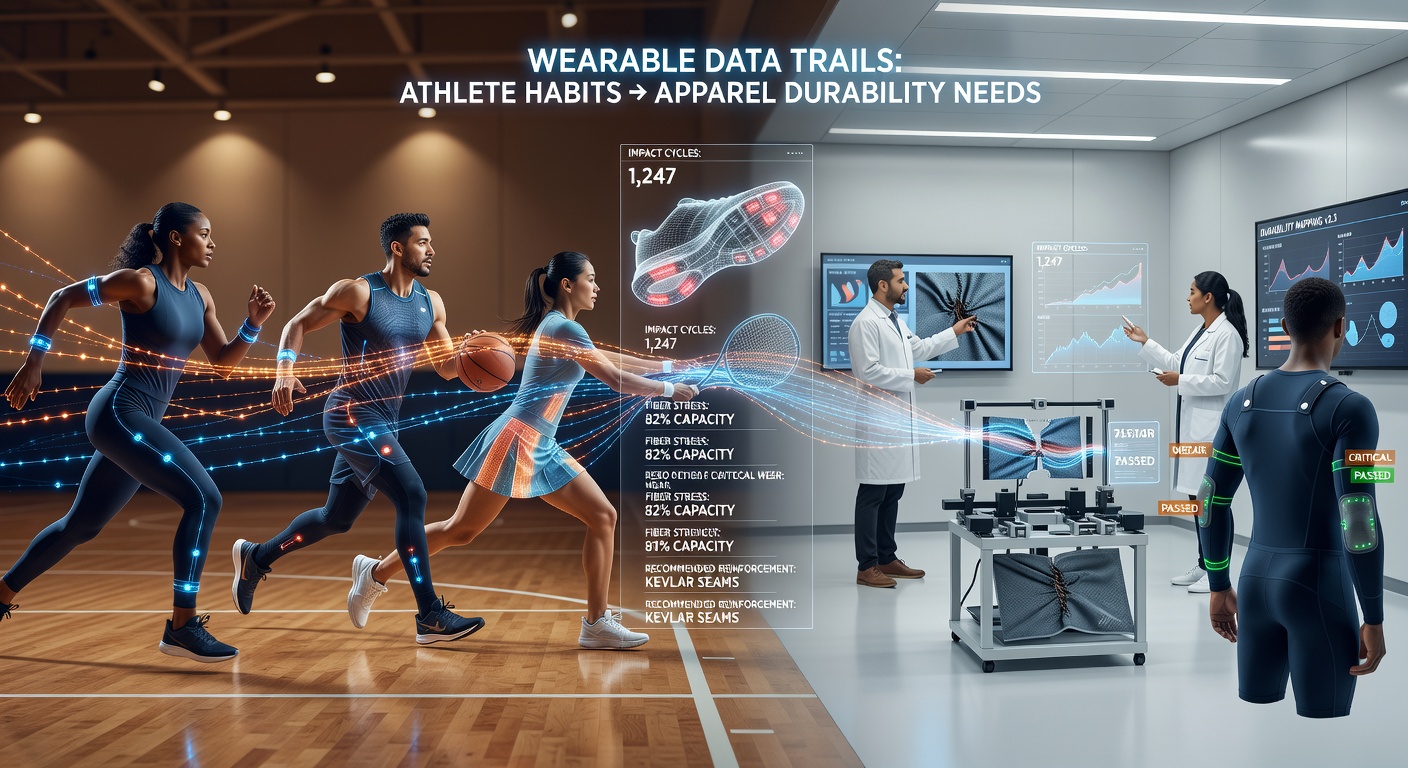
One study revealed that integrating sensor outputs with laboratory abrasion tests allows predictive modeling of garment lifespan under real-world conditions, and this approach reduces over-engineering while meeting actual performance thresholds documented in field data. Apparel lines launched around mid-2026 incorporate these calibrated durability ratings that reflect specific activity distributions rather than generic sport categories.
Case Examples From Multi-Environment Athletes
Athletes who split time between court practices and studio recovery sessions generate hybrid data trails that highlight conflicting durability needs, such as high-friction resistance required for lateral movements alongside flexibility for floor-based holds. Trainers reviewing these combined profiles often recommend modular garments featuring interchangeable panels or zoned reinforcements that address both demands without compromise.
Research indicates that cross-environment participants experience faster overall degradation when apparel lacks such targeted features, leading some brands to offer customization options derived directly from personal wearable summaries. These adaptations demonstrate how habit mapping translates into practical product adjustments that extend usable life across varied training contexts.
Future Refinements Based on Ongoing Collections
Continued expansion of wearable datasets through 2026 supports finer segmentation of durability requirements as algorithms process variables like surface temperature effects on material fatigue alongside movement frequency. Industry groups such as the ASTM International maintain standards that increasingly reference real-time sensor inputs when evaluating textile performance claims, while academic teams at European universities contribute comparative analyses across different court and studio substrates.
These evolving inputs allow apparel developers to refine thread counts, coating applications, and construction techniques in response to documented habit clusters rather than broad assumptions. The process yields garments that align more closely with actual usage distributions observed in training logs.
Conclusion
Wearable data trails provide measurable links between athlete movement habits and the specific durability demands placed on apparel in court and studio environments, enabling evidence-based adjustments to material selection and construction methods. Aggregated findings through June 2026 continue to guide refinements that match reinforcement strategies to documented activity patterns, supporting extended garment performance across dynamic training routines.